
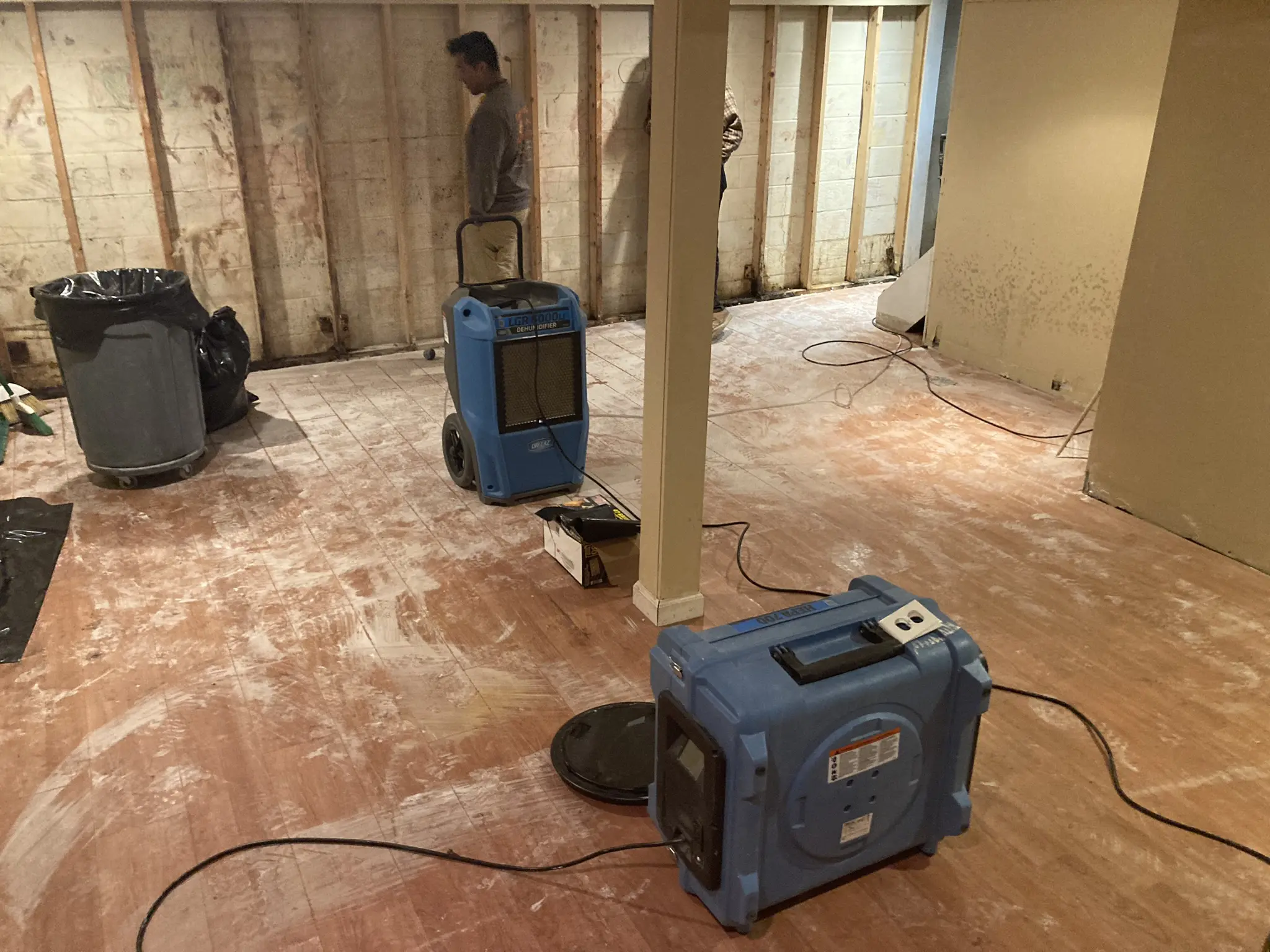
A flooded home can go from a small problem to serious property damage faster than most homeowners expect. Water can move underneath flooring, behind walls, into insulation, and through areas that look completely dry from the surface. Whether flooding comes from heavy rain, a broken pipe, a failed appliance, a sump pump problem, or water entering through a basement, taking the right steps early can make a major difference.
For homeowners across Long Island, flood damage is not something that should be ignored or left to dry naturally. Proper water removal, moisture detection, drying, cleaning, and restoration are often necessary to protect the property and prevent additional damage.
Here is what homeowners should know when dealing with flood damage.
Make Safety the First Priority
Before worrying about flooring, furniture, or drywall, make sure the property is safe to enter.
Flooding can create electrical hazards, weakened building materials, slippery surfaces, and contaminated water. If water has reached outlets, appliances, electrical panels, or other electrical equipment, avoid entering the affected area until it has been determined to be safe.
Water coming from outside flooding, sewage, or other contaminated sources also requires additional precautions. It may contain bacteria, chemicals, debris, and other substances that should not come into contact with your skin.
Never assume flood water is harmless simply because it looks clean.
Stop the Water Source When Possible
If the flooding is being caused by a plumbing problem and it is safe to do so, stopping the source should be one of the first actions taken.
This could mean shutting off the main water supply after a pipe breaks or turning off the supply line to a leaking appliance.
Stopping additional water from entering the property gives the restoration process a chance to begin.
Storm flooding is obviously harder to control. In those situations, the priority becomes removing the water and protecting the property once conditions are safe.
Contact a Water Damage Restoration Company Quickly
Time matters after flooding.
The longer water remains inside a home, the farther it can spread. Materials such as drywall, carpet, wood, insulation, cabinets, and furniture can absorb moisture.
A professional water damage restoration company can inspect the affected area and determine how far the moisture has traveled.
Visible water is only one part of the problem.
Moisture may exist underneath flooring or inside walls even after the surface appears dry.
Newhouse Restoration provides water damage restoration for homeowners in Bohemia and throughout Long Island who need help following flooding, leaks, and other water emergencies.
Begin Water Extraction
Large amounts of standing water need to be removed before proper drying can begin.
Professional water extraction equipment allows restoration technicians to remove water much more efficiently than household towels, mops, or small wet vacuums.
Removing water quickly also limits the amount of time building materials remain saturated.
During a major basement flood, hundreds or even thousands of gallons of water may enter the property. Trying to remove that amount of water using household equipment can take far too long.
Professional extraction creates a much better starting point for the drying process.
Understand That Dry Surfaces Can Still Contain Moisture
One of the biggest mistakes homeowners make after a flood is assuming an area is dry because it looks dry.
Water does not always remain visible.
It can soak into the padding underneath carpet, move underneath hardwood floors, enter wall cavities, or become trapped behind cabinets.
Moisture detection equipment can help identify areas where water remains inside building materials.
Without proper detection, hidden moisture can remain long after the visible flood water disappears.
That moisture may eventually create odors, damaged flooring, deteriorating drywall, or mold growth.
Remove Materials That Cannot Be Saved
Some materials can be cleaned and dried successfully. Others may need to be removed.
The decision depends on several factors, including the type of water involved, how long materials remained wet, and how badly they were damaged.
Certain types of insulation, drywall, carpet padding, or heavily contaminated materials may not be practical to restore.
Removing damaged materials also helps expose areas that need additional drying.
The goal should not simply be to make the room look dry. The goal is to make sure the affected structure is actually dry.
Start Professional Drying
After standing water has been extracted, drying equipment can be positioned throughout the affected area.
Air movers help increase airflow across wet surfaces while dehumidifiers remove excess moisture from the surrounding air.
This process helps moisture trapped inside building materials move into the air where it can be collected.
Drying conditions should also be monitored throughout the restoration process.
Equipment may need to be moved or adjusted as different areas dry.
Proper structural drying takes more than putting a few household fans around the room and hoping for the best.
Watch for Signs of Mold
Flooding creates the moisture that mold needs to grow.
Mold can sometimes develop in areas homeowners cannot immediately see, including behind drywall, beneath flooring, around baseboards, and inside other enclosed spaces.
A musty odor after flooding should never be ignored.
Visible discoloration, unusual smells, or continued moisture may indicate that additional inspection is needed.
Fast water extraction and proper drying reduce the amount of time moisture remains available for mold growth.
Document the Damage
Before damaged belongings and materials are removed, take photographs and videos of the affected areas when it is safe.
Document the water level, damaged flooring, walls, furniture, personal belongings, appliances, and any visible source of the flooding.
Keeping records may be useful when communicating with an insurance company.
Homeowners should also keep receipts and documentation connected to emergency services and restoration work.
Insurance coverage varies depending on the cause of the water damage and the specific policy, so homeowners should review their coverage directly with their insurance provider.
Do Not Wait for the Problem to Get Worse
A few inches of water can create much more damage than it appears to at first.
Water spreads quietly.
By the time a homeowner notices warped flooring, stained drywall, odors, or mold, the moisture may have been present for much longer.
Getting professional help early gives restoration technicians a better chance of drying and saving affected materials.
It may also reduce the amount of demolition and reconstruction required later.
Flood Damage Restoration on Long Island
Flood damage can be stressful, especially when it affects the place where your family lives.
Having a clear restoration plan makes the situation much easier to manage.
The process typically begins by stopping the source when possible, inspecting the damage, extracting standing water, identifying hidden moisture, drying the structure, cleaning affected areas, and restoring damaged materials.
Newhouse Restoration helps property owners in Bohemia and throughout Long Island recover from water damage and flooding.
If your home has experienced flooding, a plumbing leak, storm water intrusion, or another water emergency, getting the property inspected quickly can help prevent the damage from spreading.
Call Newhouse Restoration at (631) 604-8590 for water damage restoration and flood cleanup assistance on Long Island.
