
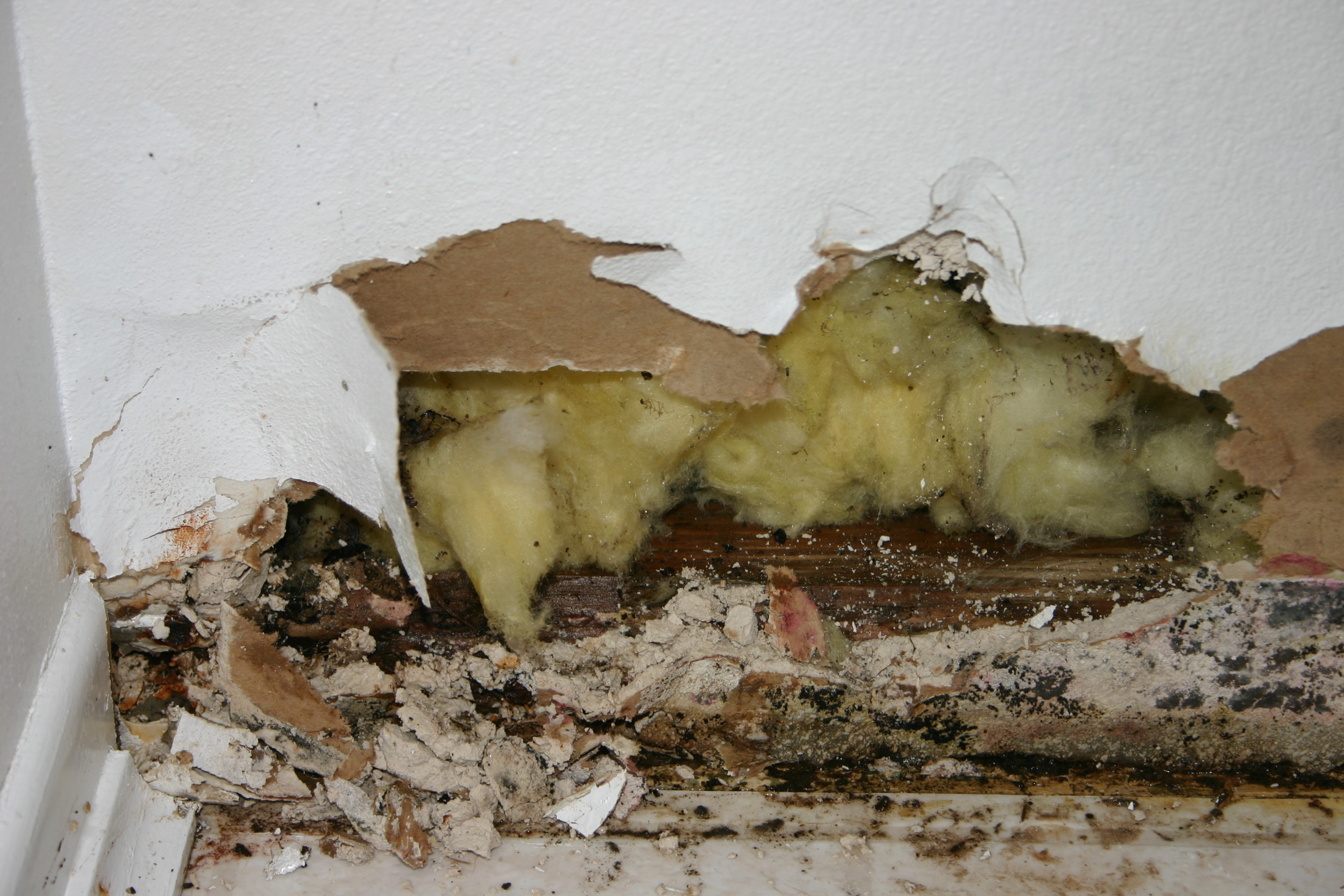
When water enters a home, every hour matters.
A flooded basement or soaked living room may look like a simple cleanup project at first. Remove the visible water, run a few fans, and everything should return to normal.
Unfortunately, water damage rarely works that way.
Water begins moving into porous building materials almost immediately. Flooring, drywall, insulation, wood, cabinets, furniture, and other materials can absorb moisture long after the original source of the flooding has stopped.
That is why water extraction is one of the most important parts of professional flood restoration.
For Long Island homeowners dealing with flooding, understanding how quickly water spreads can help explain why immediate action is so important.
Water Does Not Stay in One Place
Water follows gravity, but it also moves through materials.
A leak in one room can travel underneath flooring into another room. Water can enter wall cavities through small openings around trim and baseboards.
In multi level properties, water may travel through ceilings and affect rooms underneath the original problem.
By the time standing water becomes visible, moisture may already exist beyond the area homeowners can see.
This makes early inspection and extraction extremely important.
The sooner standing water is removed, the less opportunity it has to spread through the property.
Building Materials Absorb Water
Many common building materials are porous.
Drywall can absorb moisture.
Wood flooring can absorb moisture.
Carpet padding can hold significant amounts of water.
Insulation can also trap moisture inside walls and ceilings.
Even materials that initially appear unaffected may gradually absorb water.
Once moisture enters these materials, simply removing the standing water from the surface is no longer enough.
The structure needs to be dried properly.
Professional water extraction removes as much liquid water as possible before the drying process begins.
Extraction Makes Drying More Efficient
Imagine trying to dry a completely soaked towel using nothing but moving air.
It will eventually dry, but it will take much longer than if the towel is squeezed out first.
Water extraction works in a similar way.
Removing the majority of standing water allows professional drying equipment to focus on the moisture remaining inside building materials.
This makes the overall drying process more efficient.
Air movers can increase evaporation while dehumidifiers remove moisture from the surrounding air.
Together, extraction and structural drying create the conditions necessary to return moisture levels toward normal.
Flood Water Can Damage Flooring
Flooring is particularly vulnerable during a flood.
Carpet can become completely saturated, allowing water to enter the padding and subfloor below.
Hardwood flooring can absorb moisture and begin expanding. This may eventually lead to cupping, buckling, or other forms of damage.
Vinyl and other flooring materials may trap moisture underneath their surface.
Because much of this damage happens below the visible floor, homeowners may not realize how wet the area actually is.
Professional restoration technicians can evaluate the flooring and determine what steps may be needed.
Water Can Move Behind Walls
Walls can hide a surprising amount of water damage.
Water may enter through the bottom of drywall and slowly move upward.
Moisture can also become trapped inside wall cavities where household fans cannot reach it effectively.
This is one reason moisture detection is an important part of water damage restoration.
Technicians can inspect areas surrounding the original flood and look for signs that moisture has traveled farther.
Depending on the severity of the damage, certain materials may need to be opened or removed so that the structure can dry properly.
Waiting Can Increase Restoration Work
When water remains inside a property longer, more materials may become affected.
What begins as a wet carpet may eventually involve the padding and subfloor.
A small section of wet drywall may spread into additional wall areas.
Cabinets can absorb moisture near the floor.
Baseboards may swell.
Wood framing may also become wet.
The amount of restoration work required often depends partly on how far the water has traveled and how long materials remained exposed.
Fast extraction can help reduce that spread.
Flooding Can Create Mold Concerns
Mold needs moisture to grow.
After a flood, wet building materials can create favorable conditions for mold if they are not dried properly.
Mold may develop in hidden areas, especially when moisture becomes trapped behind walls, underneath flooring, or around other enclosed spaces.
A homeowner may believe the problem is finished because the visible water disappeared, only to notice a musty smell days later.
The best approach is to address the moisture before mold has a chance to become another restoration problem.
Water extraction followed by professional drying helps remove the conditions that support growth.
Household Equipment Has Limits
Small wet vacuums, fans, towels, and dehumidifiers can help with very minor spills.
Flood damage is different.
A basement containing several inches of water represents a large amount of moisture.
Even after visible water is removed, moisture may remain throughout the structure.
Professional restoration equipment is designed to handle larger amounts of water and create controlled drying conditions.
Technicians can also monitor moisture levels throughout the process rather than guessing whether the property is dry.
That difference becomes especially important after significant flooding.
Storms Can Cause Rapid Flooding on Long Island
Heavy rainfall can overwhelm drainage systems and create water problems quickly.
Basements may flood when sump pumps fail or cannot keep up with incoming water.
Roof damage can allow rain into attics and ceilings.
Water may enter around foundations, windows, doors, or other openings.
Storm flooding may also affect multiple areas of a home at the same time.
Once the weather passes and conditions are safe, starting water removal quickly can help limit additional damage.
Plumbing Problems Can Be Just as Serious
Not every flood begins with a storm.
Broken supply lines, water heaters, washing machines, dishwashers, toilets, sinks, and other plumbing systems can release large amounts of water.
A plumbing failure that occurs while a homeowner is away can flood several rooms before anyone discovers it.
In some situations, water can continue running for hours.
The source may be small, but the resulting damage can be significant.
After the water supply has been shut off, extraction should begin as quickly as possible.
The Restoration Process Continues After Extraction
Removing standing water is only the beginning.
A complete water damage restoration process may include moisture inspection, structural drying, cleaning, removing damaged materials, monitoring drying progress, and restoring affected areas.
Each property is different.
The amount of water, source of the flooding, materials involved, and length of exposure all influence the restoration plan.
A professional inspection helps determine what actually needs to be done rather than relying on assumptions.
Long Island Water Damage Restoration
Flooding rarely happens at a convenient time.
When water suddenly enters your home, the priority is stopping the source when possible and preventing the damage from spreading.
Fast water extraction gives the property the best possible start toward recovery.
Newhouse Restoration provides water damage restoration and flood cleanup services for homeowners in Bohemia and throughout Long Island.
From water extraction to drying and restoration, the goal is to remove the moisture and help return the property to normal.
For water damage restoration on Long Island, contact Newhouse Restoration at (631) 604- 8590.
