
Can Mold Exposure Contribute to Dementia and Cancer? What Homeowners Should Know
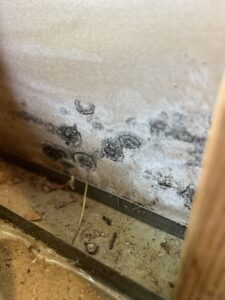
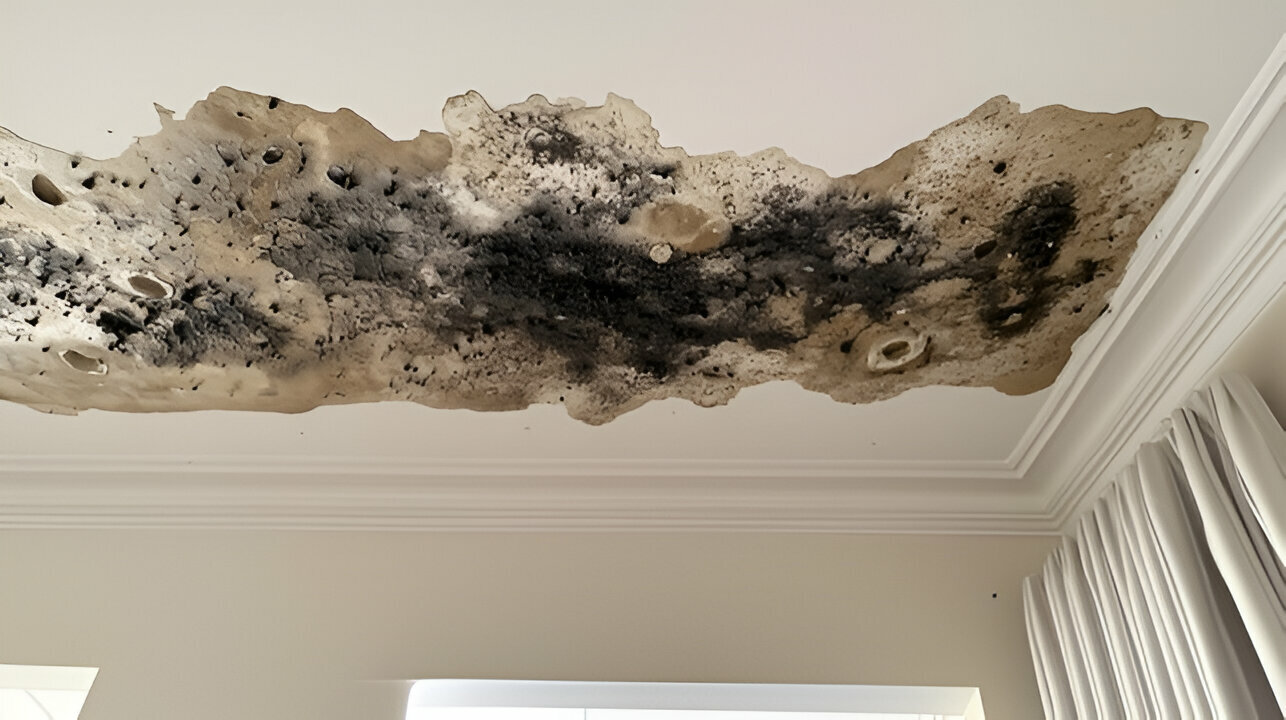
Mold in homes is often dismissed as a cosmetic or minor air-quality issue, but growing research suggests that long-term mold exposure may have more serious health implications. While mold does not directly cause dementia or cancer, studies indicate that chronic exposure to certain mold toxins may contribute to conditions that increase health risks over time.
Understanding how mold affects the body—and why early remediation matters—can help homeowners protect both their property and their long-term health.
How Mold Exposure Affects the Body
Mold releases microscopic spores and, in some cases, mycotoxins into the air. When inhaled over extended periods, these substances can trigger inflammation, immune system stress, and neurological symptoms—especially in vulnerable individuals.
Common health effects linked to mold exposure include:
-
Chronic fatigue
-
Brain fog and memory issues
-
Headaches and dizziness
-
Respiratory irritation
-
Weakened immune response
For some people, these symptoms persist even after leaving the contaminated environment.
Mold and Neurological Health: The Dementia Concern
Researchers have observed that prolonged exposure to mold and damp indoor environments may contribute to neuroinflammation, a process linked to cognitive decline. Mycotoxins produced by certain molds can cross the blood-brain barrier, potentially impacting brain function over time.
While mold does not cause dementia, chronic inflammation and toxin exposure are known risk factors for neurological disorders. Some individuals report:
-
Memory loss
-
Difficulty concentrating
-
Mood changes
-
Confusion or disorientation
These symptoms are sometimes misdiagnosed or overlooked when environmental causes are not considered.
Is There a Link Between Mold and Cancer?
Mold exposure is not classified as a direct cause of cancer, but some mycotoxins are recognized for their potential carcinogenic properties under specific conditions. Long-term exposure to these toxins may place additional stress on the immune system, reducing the body’s ability to identify and eliminate abnormal cells.
Health experts are particularly concerned about:
-
Long-term exposure in poorly ventilated homes
-
Damp crawlspaces and basements
-
Individuals with compromised immune systems
- Reducing environmental toxin exposure is widely recognized as an important component of overall cancer risk reduction.
If you feel like you have Mold or Mold symptoms Call now 631-604-8590
https://newhouserestoration.com/
Leave a comment:
