
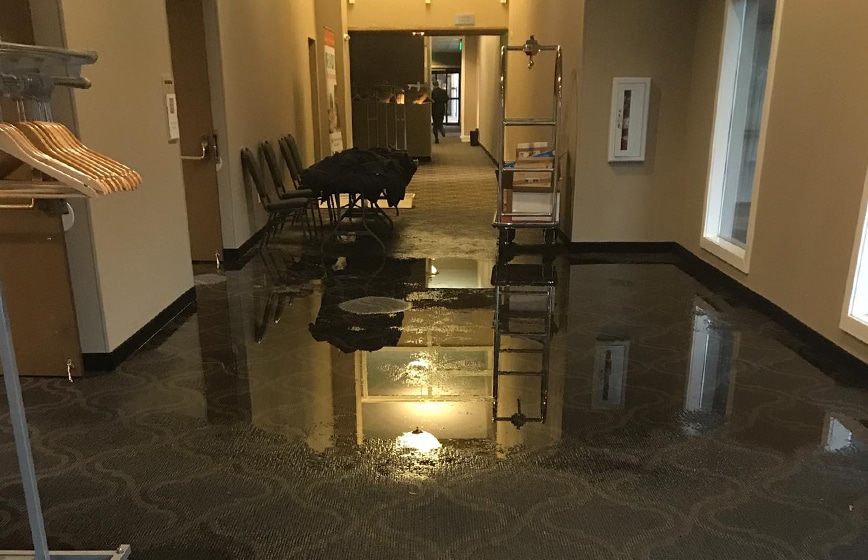
Walking downstairs and discovering water covering your basement floor is something no homeowner wants to experience.
Unfortunately, basement flooding can happen quickly.
Heavy rain can overwhelm drainage systems. A sump pump can stop working. A plumbing line can break. Water can enter through a foundation crack or basement window.
Sometimes the source is obvious.
Other times, homeowners only discover the problem after water has already spread across the basement and soaked into flooring, drywall, furniture, storage boxes, and other materials.
For homeowners in Bohemia, NY, fast flood cleanup can help limit how much damage occurs.
Understanding why basements flood and what happens during restoration can make the situation much easier to handle.
Why Basements Are Vulnerable to Flooding
Basements are located at the lowest point of most homes.
That naturally makes them vulnerable when water enters the property or collects around the foundation.
Water follows gravity.
If moisture enters through a wall, window, drain, plumbing system, or another opening, it often moves toward the basement floor.
Once water reaches the basement, it can spread throughout the entire space.
Even a relatively small amount of water can affect a surprisingly large area.
Finished basements may suffer even more damage because there are more materials that can absorb moisture.
Carpet, wood flooring, drywall, insulation, furniture, cabinets, and personal belongings may all be affected.
Heavy Rain Can Cause Basement Flooding
Storms are one of the most common causes of basement flooding.
During heavy rain, the soil around a home can become saturated.
Water begins collecting around the foundation and looking for places to escape.
Foundation cracks may allow water inside.
Basement windows can leak.
Poor grading around the property can direct water toward the house.
Gutters and downspouts that are clogged or damaged may also dump large amounts of rainwater near the foundation.
When enough water collects around the property, basement flooding can occur.
Homeowners should pay particular attention to areas where water has entered during previous storms.
Repeated water intrusion is often a sign that an underlying drainage or structural problem needs attention.
Sump Pump Failures Can Create Serious Flooding
Many Long Island homes rely on sump pumps to help keep basements dry.
A sump pump collects water and moves it away from the foundation before it can flood the basement.
When the system works correctly, homeowners may barely notice it.
When it stops working, the consequences can become obvious very quickly.
Power outages can disable some sump pumps.
Mechanical problems can cause them to fail.
Discharge lines may become blocked.
A pump may simply be unable to handle the amount of water entering during a major storm.
Homeowners sometimes discover the problem only after several inches of water have already entered the basement.
Checking the sump pump periodically can help reduce the chance of an unexpected failure.
Broken Pipes Can Flood a Basement Fast
Plumbing problems are another major cause of basement water damage.
A broken pipe can release water continuously until the supply is shut off.
Basements may also contain water heaters, washing machines, utility sinks, plumbing connections, and other equipment that can leak.
A water heater failure can release a large amount of water.
A washing machine supply line can break.
A small plumbing leak can continue unnoticed behind a wall.
The amount of damage depends on how much water is released and how long it remains inside the property.
When a plumbing failure occurs, stopping the source and beginning water extraction quickly can help limit the spread.
Standing Water Needs to Be Extracted
The first major stage of basement flood cleanup is removing standing water.
This is known as water extraction.
Professional extraction equipment is capable of removing large amounts of water much faster than household equipment.
That matters because every additional hour gives moisture more time to move into surrounding materials.
Water on the floor can soak into carpet.
Carpet padding may become completely saturated.
Drywall can begin absorbing moisture.
Wood framing can become wet.
Furniture can absorb water through its legs and lower surfaces.
Cardboard storage boxes can collapse and spread water to the contents inside.
The faster standing water is removed, the sooner structural drying can begin.
Flood Water Can Hide Under Flooring
The basement floor may look dry before the entire flooring system is actually dry.
Carpet is a common example.
The carpet surface may begin feeling normal while the padding underneath remains soaked.
Water may also reach the concrete or subfloor beneath the padding.
Hardwood and laminate flooring can trap moisture underneath their surfaces.
Vinyl flooring may create another hidden area where water becomes trapped.
Restoration professionals can evaluate flooring materials and determine where moisture remains.
Depending on the source of the water and the amount of damage, some materials may be dried while others may need to be removed.
Water Can Move Up Basement Walls
Flood water does not only stay on the floor.
Drywall can absorb moisture upward from the bottom.
This means a basement may only have a few inches of standing water while a much larger section of the wall becomes affected.
Baseboards may swell or separate.
Paint may bubble.
Drywall may feel soft.
Insulation behind the wall may also become wet.
One of the most important parts of professional flood restoration is determining how far moisture has traveled.
Moisture detection equipment allows technicians to inspect materials rather than guessing based on what looks wet.
Structural Drying Comes After Extraction
Removing standing water is only part of the restoration process.
Moisture remaining inside building materials still needs to be removed.
Professional air movers help increase evaporation from wet surfaces.
Dehumidifiers remove moisture from the surrounding air.
This combination creates controlled drying conditions throughout the basement.
Equipment may be repositioned during the drying process as moisture levels change.
Restoration technicians can also monitor walls, flooring, framing, and other materials to determine whether they are drying properly.
A basement should not simply look dry.
The affected materials need to actually reach appropriate moisture levels.
Finished Basements Need Extra Attention
Finished basements can make flood restoration more complicated.
Water may travel behind finished walls.
It can become trapped underneath flooring.
Built in cabinets may hide moisture.
Insulation may remain wet inside wall cavities.
Furniture can prevent airflow from reaching the floor underneath.
A finished basement may appear mostly normal after visible water has been removed while moisture continues to remain in hidden areas.
This is one of the reasons homeowners should be cautious about rushing into repairs.
Installing new flooring or closing walls before the structure is dry can trap moisture inside the property.
The drying process needs to happen before rebuilding.
Mold Can Develop After Basement Flooding
Basements can already be more humid than other parts of a home.
Flooding introduces even more moisture.
When water becomes trapped inside drywall, flooring, insulation, cabinets, or other materials, the conditions may support mold growth.
Homeowners may begin noticing a musty smell.
Dark spots or discoloration may appear.
Trim may begin changing.
The most important step is dealing with the source of moisture.
Cleaning a visible surface without drying the materials underneath will not solve the larger problem.
Fast extraction and structural drying can help reduce the amount of time moisture remains inside the basement.
Flood Water Is Not Always Clean
The source of the water matters.
Water from certain plumbing systems may begin relatively clean.
Water entering from outside may contain soil, bacteria, debris, chemicals, and other contaminants.
Sewage related flooding creates an even greater contamination concern.
Homeowners should avoid direct contact with flood water when the source is unknown.
Professional restoration technicians can evaluate the situation and determine what materials should be cleaned, disinfected, dried, or removed.
The correct approach depends on the type of water involved.
How to Reduce Future Basement Flooding
Once the basement has been restored, homeowners can take steps to reduce future risk.
Keep gutters clear.
Make sure downspouts direct water away from the foundation.
Inspect the sump pump regularly.
Store important belongings above floor level.
Use plastic storage containers instead of cardboard when possible.
Check basement windows for leaks.
Watch for foundation cracks.
Pay attention to areas where water collects outside after rain.
Repeated flooding should not be treated as bad luck.
If the same section of the basement continues getting wet, there is usually a reason.
Finding that reason can help prevent another restoration project later.
Professional Basement Flood Cleanup in Bohemia, NY
Basement flooding can feel overwhelming when you first discover it.
The key is addressing the problem in the correct order.
Stop the source when possible.
Make sure the area is safe.
Remove standing water.
Inspect flooring and walls for hidden moisture.
Begin professional structural drying.
Monitor moisture levels.
Clean or remove damaged materials.
Complete repairs after the structure is dry.
Newhouse Restoration provides basement flood cleanup and water damage restoration in Bohemia, NY and throughout Long Island.
Whether your basement flooded because of heavy rain, a failed sump pump, a broken pipe, a leaking appliance, or another water emergency, responding quickly can help prevent moisture from spreading deeper into your property.
Professional water extraction and drying can help protect your home and get the restoration process moving in the right direction.
Call Newhouse Restoration at (631) 604-8590 for basement flooding and water damage restoration in Bohemia, NY.